Transforming Penrith A Sustainable Master Plan for Queenstown with Green Spaces and MRT Access
In our fast-paced society, access to reputable educational institutions is a top priority for many homebuyers, especially those with young children or adolescents. Luckily, Penrith’s strategic location in Queenstown offers residents the advantage of being closely connected to a network of high-quality schools, spanning from primary to tertiary levels. This not only adds to the comfort of living in Penrith, but also makes it a practical and forward-thinking choice for families who prioritize education. Additionally, the presence of nearby educational institutions, such as those accessible from Penrith Queenstown MRT, not only adds convenience but also contributes to the long-term value and appeal of the development.
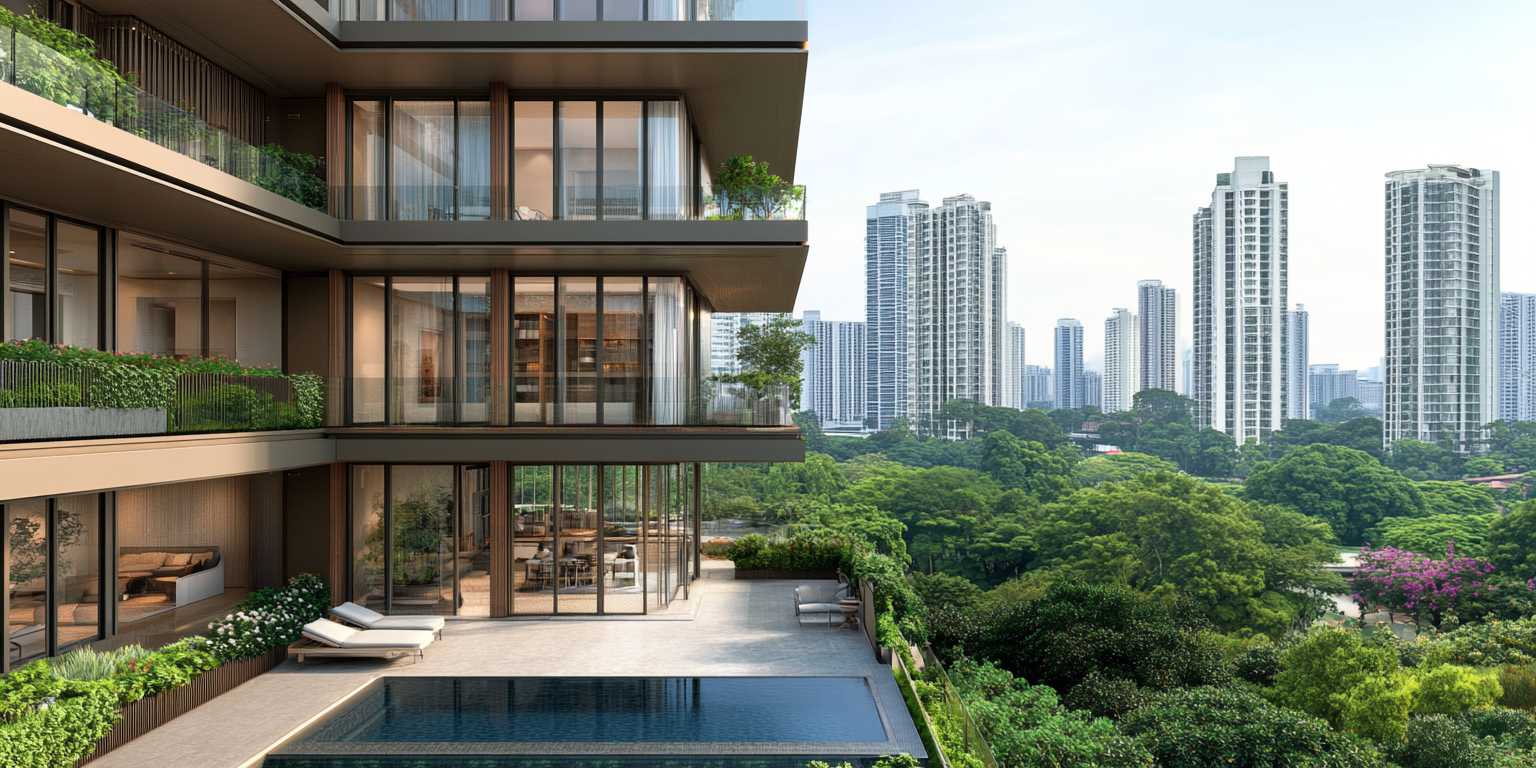
The Master Plan for Penrith prioritizes environmental sustainability, with a strong focus on reducing the carbon footprint and enhancing residents’ quality of life. This aligns with Singapore’s vision of becoming a “City in a Garden,” as the neighbourhood will see the implementation of eco-friendly infrastructure and the creation of more green spaces. The surrounding areas, particularly Queenstown, will benefit from new parks and recreational areas, fostering cleaner air, cooler temperatures, and tranquil havens for relaxation. With this green approach, Penrith will appeal to homebuyers seeking eco-friendly living. Furthermore, the Master Plan promotes energy efficiency through the use of solar panels and sustainable building materials, further emphasizing Penrith’s dedication to reducing its carbon footprint. By actively integrating environmental sustainability into its development plans, Penrith is taking proactive measures to build a greener, healthier, and more desirable community for its residents.
He expects Penrith’s launch prices to fall within the price range of $2,500 to $2,600 per square foot.
One of the major changes proposed in the master plan is the creation of more green spaces within the town. Currently, Penrith has a few parks and gardens scattered throughout the town, but they are limited in size and not easily accessible to all residents. The new plan aims to increase the number of green spaces and make them more inclusive by incorporating them into the town’s urban design.
In response to these concerns, the local government has recently unveiled a master plan for transforming Penrith into a sustainable town with a focus on green spaces and MRT (Mass Rapid Transit) accessibility. This ambitious plan aims to not only enhance the quality of life for residents but also reduce the town’s carbon footprint and create a more environmentally friendly community.
One of the ways the master plan aims to reduce waste is by introducing a compulsory recycling program for all households and businesses in Penrith. This will not only reduce the amount of waste going to landfill but also create a culture of sustainable living among residents. To further promote recycling, the plan also includes the implementation of a waste-to-energy facility, which will convert non-recyclable waste into electricity, reducing the town’s dependence on fossil fuels.
In conclusion, the master plan for transforming Penrith into a sustainable town with green spaces and MRT accessibility is a crucial step towards a greener future. By focusing on initiatives such as creating more green spaces, implementing an MRT system, reducing waste, improving energy efficiency, and supporting local businesses, Penrith has the potential to become a role model for other towns and cities around the world. With the cooperation of the local government, residents, and businesses, Penrith’s transformation into a sustainable town is not just a dream, but a very achievable reality.
Furthermore, in a bid to reduce the town’s reliance on cars, the master plan includes the implementation of an MRT system. This will provide residents and visitors with a more efficient and sustainable mode of transportation, reducing the town’s carbon emissions and congestion on the roads. The proposed MRT system will also connect Penrith to its neighboring suburbs, making it easier for commuters to access job opportunities and for visitors to explore the surrounding areas.
The master plan for transforming Penrith into a more sustainable town is a bold and ambitious vision. However, with proper implementation, it has the potential to turn this charming little town into a shining example of sustainable living. The plan not only benefits the environment but also the residents and visitors of Penrith, creating a healthier and more livable community.
The plan also includes the development of a Greenway, a network of interconnected parks, reserves, and walking trails that will weave through the town, providing opportunities for recreation and promoting a healthier lifestyle. The Greenway will not only enhance the aesthetic appeal of the town but also provide important ecosystem services such as the reduction of air and noise pollution, improved air quality, and the natural filtration of stormwater.
Another key aspect of the master plan is supporting local businesses to adopt sustainable practices. This includes providing incentives for businesses to become more eco-friendly, such as tax breaks for those who implement sustainable initiatives. The plan also includes the creation of a green business network, where local businesses can share ideas, resources, and collaborate on sustainability projects.
Additionally, the Master Plan includes measures to promote energy efficiency, such as the use of solar panels and sustainable building materials, furthering Penrith’s commitment to reducing its carbon footprint. By prioritizing the integration of environmental sustainability into its development plans, Penrith is taking proactive steps towards creating a greener, healthier, and more livable community for its residents.
The development of green spaces and the implementation of an MRT system are just some of the initiatives included in the master plan. But what sets this plan apart is its holistic approach to sustainability. The plan also includes strategies to reduce waste and promote recycling, increase energy efficiency in buildings, and support local businesses to adopt sustainable practices.
Penrith, a bustling small town nestled in the foothills of the Blue Mountains, has long been a popular destination for tourists and locals alike. With its picturesque landscape, charming shops and cafes, and rich history, it’s no wonder that Penrith attracts visitors from all over the world. However, with the rapid growth and development of the town, concerns for sustainability and preserving its natural beauty have become increasingly important.
In addition to waste reduction, the plan also focuses on increasing energy efficiency in buildings. This means implementing sustainable building practices, such as the use of renewable energy sources, improved insulation, and energy-efficient lighting and appliances. These measures will not only reduce the town’s carbon emissions but also help residents and businesses save on energy costs.