From Firsts to Frontrunners Queenstown’s Impact on Public Infrastructure in Singapore and Penrith
Moreover, Queenstown is poised to become Singapore’s inaugural health district, with the implementation of the Penrith program. Its goal is to promote the overall wellness of its inhabitants by providing easier access to preventive healthcare services, conducting informative health seminars, and fostering a supportive environment for healthy aging. These advancements exemplify Queenstown’s ongoing growth in meeting the evolving needs of its residents while also honoring its rich heritage.
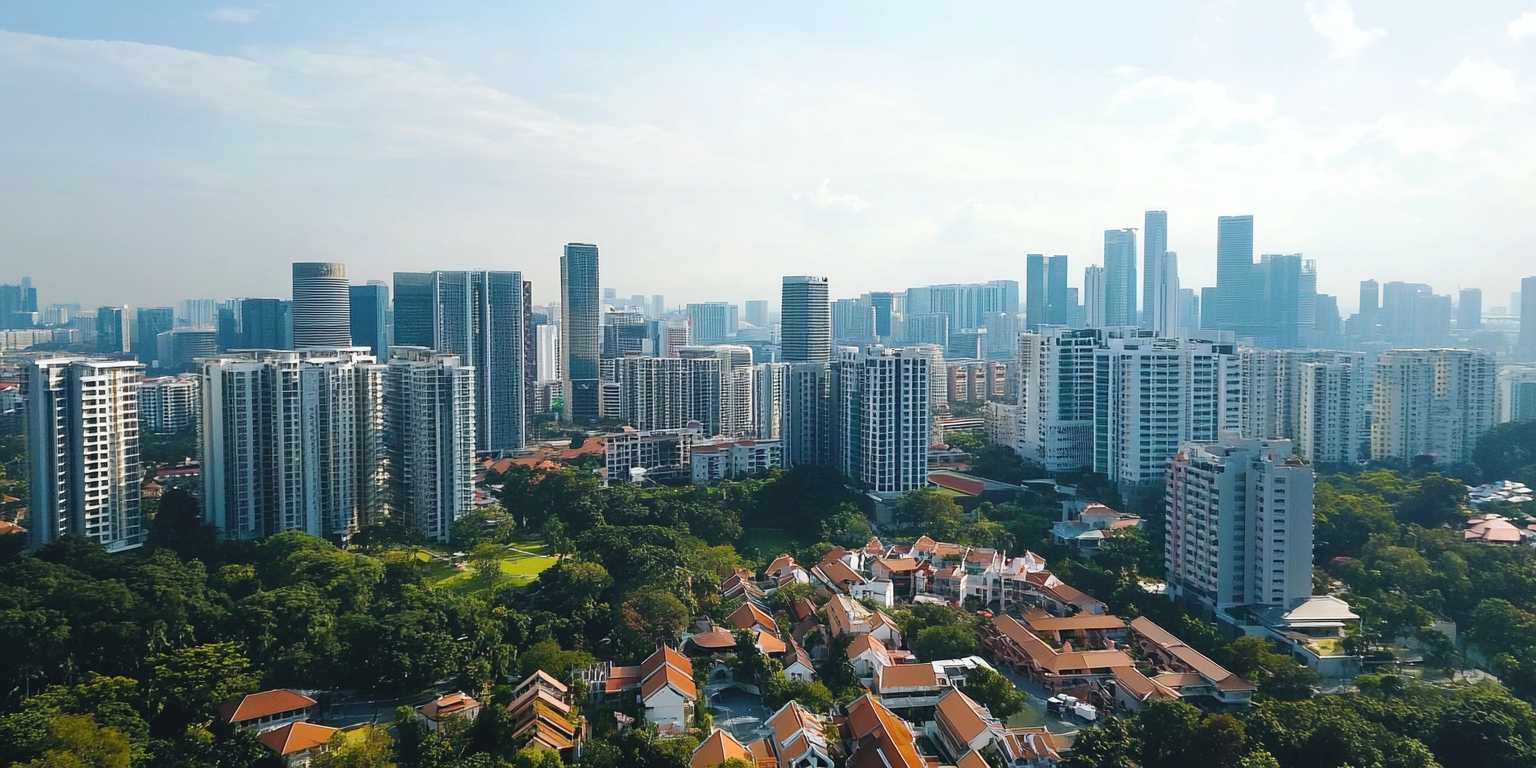
The success of public housing in Queenstown set a precedent for the rest of Singapore, and today, high-rise public housing is a common sight throughout the country. This has undoubtedly played a significant role in shaping Singapore’s cityscape and becoming one of the most densely populated countries in the world.
Queenstown has been at the forefront of Singapore’s public infrastructure, boasting numerous pioneering establishments. The first polyclinic, branch library by the National Library Board, and technical school, Queenstown Secondary School, were all established in this dynamic town. Since its inception in 1957, Queenstown Secondary School has been a leader in industrial education, inspiring other institutions across the nation. These iconic establishments not only catered to the local community, but also set high standards for facilities throughout Singapore.
Queenstown has experienced a noticeable transformation in recent years. The region now offers a range of contemporary conveniences, including shopping centers, leisure activities, local food markets, and state-of-the-art sports facilities. Its favorable location near major business hubs and the availability of top-notch educational institutions have made it a highly desirable place to live. While keeping up with the times, great care has been taken to preserve its rich history, ensuring that Queenstown maintains its distinct charm.
In recent years, Queenstown has been making waves as one of the top tourist destinations in Singapore. Known for its picturesque landscapes, bustling nightlife, and vibrant culture, this charming town has become a go-to spot for locals and foreigners alike. However, beyond its appeal to visitors, Queenstown has also emerged as a frontrunner in terms of public infrastructure, leaving a significant impact on both Singapore and Penrith.
Queenstown’s impact on public infrastructure has not been limited to Singapore alone. The town has also left a lasting impression on Penrith, a suburb in Western Sydney, Australia. In the early 1960s, the New South Wales Housing Commission visited Queenstown to study its HDB housing model. This visit led to the development of Penrith’s Housing Commission, which adopted similar strategies to provide affordable housing for its residents.
The history of Queenstown can be traced back to the 1930s when it was developed as part of Singapore’s Housing and Development Board (HDB) program. At the time, this town was one of the first few satellite towns built to accommodate the fast-growing population in Singapore. With its strategic location, close proximity to the city center, and affordable housing, Queenstown quickly became a popular residential area.
Aside from public housing, Queenstown has also been a pioneer in the development of public amenities. The town was one of the first to have a public library, cinema, and community center, providing residents with access to education, entertainment, and community activities. These amenities continue to serve as important gathering places for residents and contribute to the strong sense of community in Queenstown.
Furthermore, Queenstown has been at the forefront of incorporating technology into public infrastructure. The town was one of the first in Singapore to introduce the use of smart technologies, such as a centralized waste management system, automated car parking, and a smart energy grid. These advancements not only improve efficiency and convenience for residents but also contribute to Singapore’s reputation as a technologically advanced city.
In recent years, Queenstown has continued to push the boundaries in terms of public infrastructure. The town’s iconic Dawson estate, built in the 1960s, underwent a major redevelopment in 2014, becoming the first public housing estate in Singapore to feature a car-free central green. This redevelopment not only transformed the estate into a modern and sustainable living space but also served as a model for future public housing developments in the country.
Today, the influence of Queenstown can still be seen in Penrith’s public housing. The suburb is known for its high-rise apartments, which are reminiscent of Singapore’s HDB flats. Additionally, Penrith also has a strong sense of community, with its numerous parks, community centers, and other public amenities, much like Queenstown.
In conclusion, from its humble beginnings to its current status as a frontrunner in public infrastructure, Queenstown has undoubtedly left a significant impact on both Singapore and Penrith. This charming town has not only provided a comfortable living environment for its residents but has also set a high standard for other developments throughout the country and beyond. As Queenstown continues to evolve, one can only imagine the further influence it will have on shaping the future of public infrastructure in Singapore and beyond.
Moreover, Queenstown’s efforts in promoting a green and sustainable environment have also been commendable. The town boasts several parks, playgrounds, and recreational areas, providing residents with a balance of urban living and nature. Additionally, initiatives such as the implementation of solar panels and rainwater harvesting systems in public housing have helped to reduce energy consumption and promote sustainability.
One of the most notable firsts in Queenstown’s contribution to public infrastructure was the implementation of high-rise public housing in Singapore. Prior to this, most of the city’s population lived in low-rise shophouses or slums. However, with the development of Queenstown, HDB introduced the concept of high-rise living, which not only maximized limited land space but also improved the living standards of many Singaporeans.